
CCTV cameras are not interchangeable, with each type designed for a specific purpose and level of security. Understanding the different types of CCTV makes it far easier to choose a system that delivers usable footage rather than just visual coverage.
This guide explains what the different types of CCTV cameras are, how they are used and which options are best suited to homes and businesses in the UK.
HOW MANY TYPES OF CCTV CAMERA ARE THERE?
There is no single classification, but in practical terms CCTV cameras fall into six core categories, with variations within each. The main types are:
- Bullet cameras
- Dome cameras
- Turret cameras
- PTZ cameras
- ANPR cameras
- Internal fixed cameras
These camera types can operate within different system architectures such as IP (network-based_ or analogue, which affects how footage is recorded and managed.
WHAT IS A BULLET CCTV CAMERA?
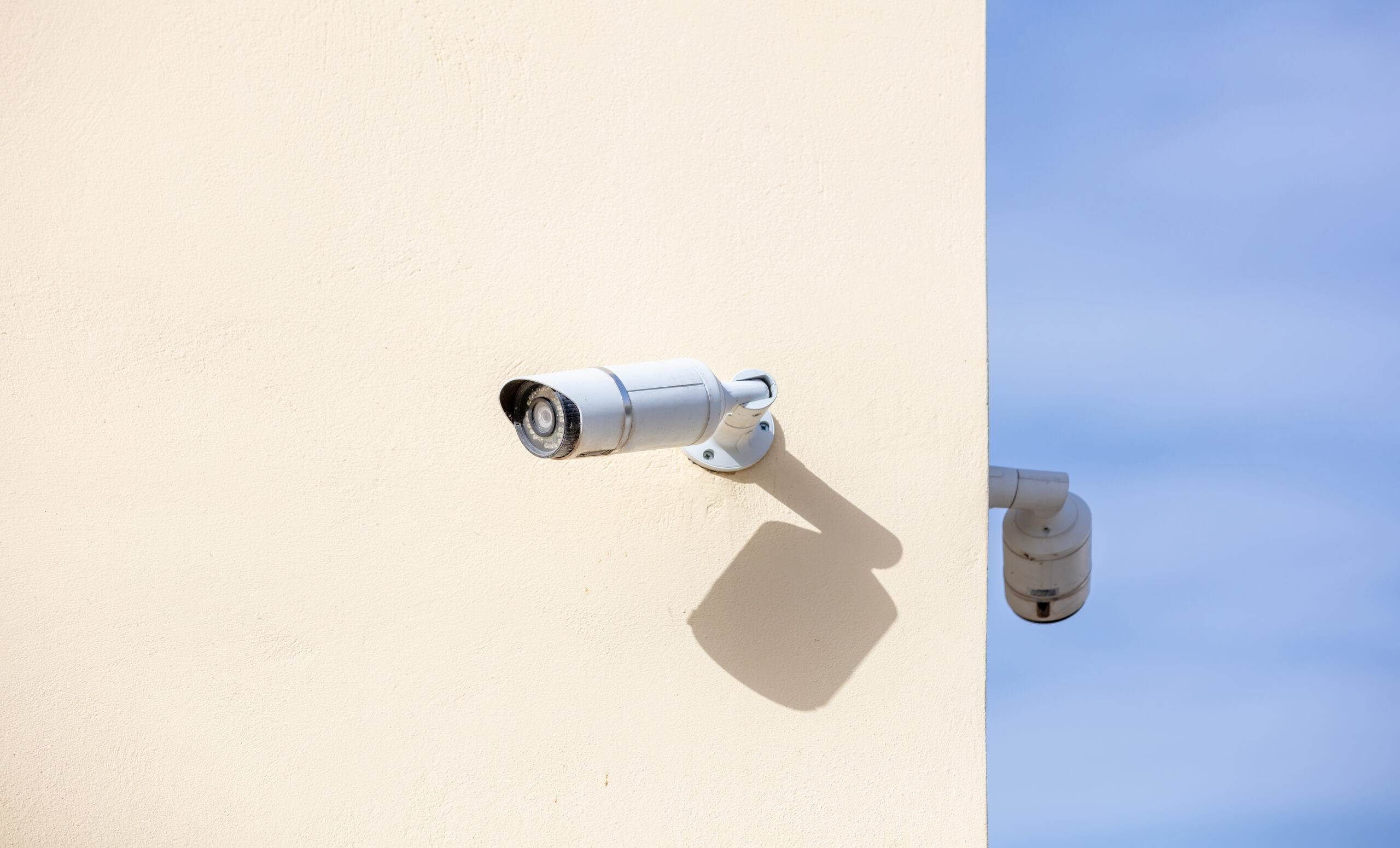
Bullet cameras are one of the most recognisable CCTV formats and are commonly used for external surveillance.
They are cylindrical in shape and designed to point clearly in a fixed direction, making them effective for:
- Perimeter monitoring
- Driveways and access roads
- Long, narrow areas such as alleyways
Because bullet CCTV cameras are visually prominent, they also provide a strong deterrent to would-be burglars. Many models support long-range infrared night vision and higher zoom levels, making them suitable where distance matters.
Bullet cameras are less discreet than other options, which can be an advantage or drawback depending on the setting.
WHAT IS A DOME CCTV CAMERA?
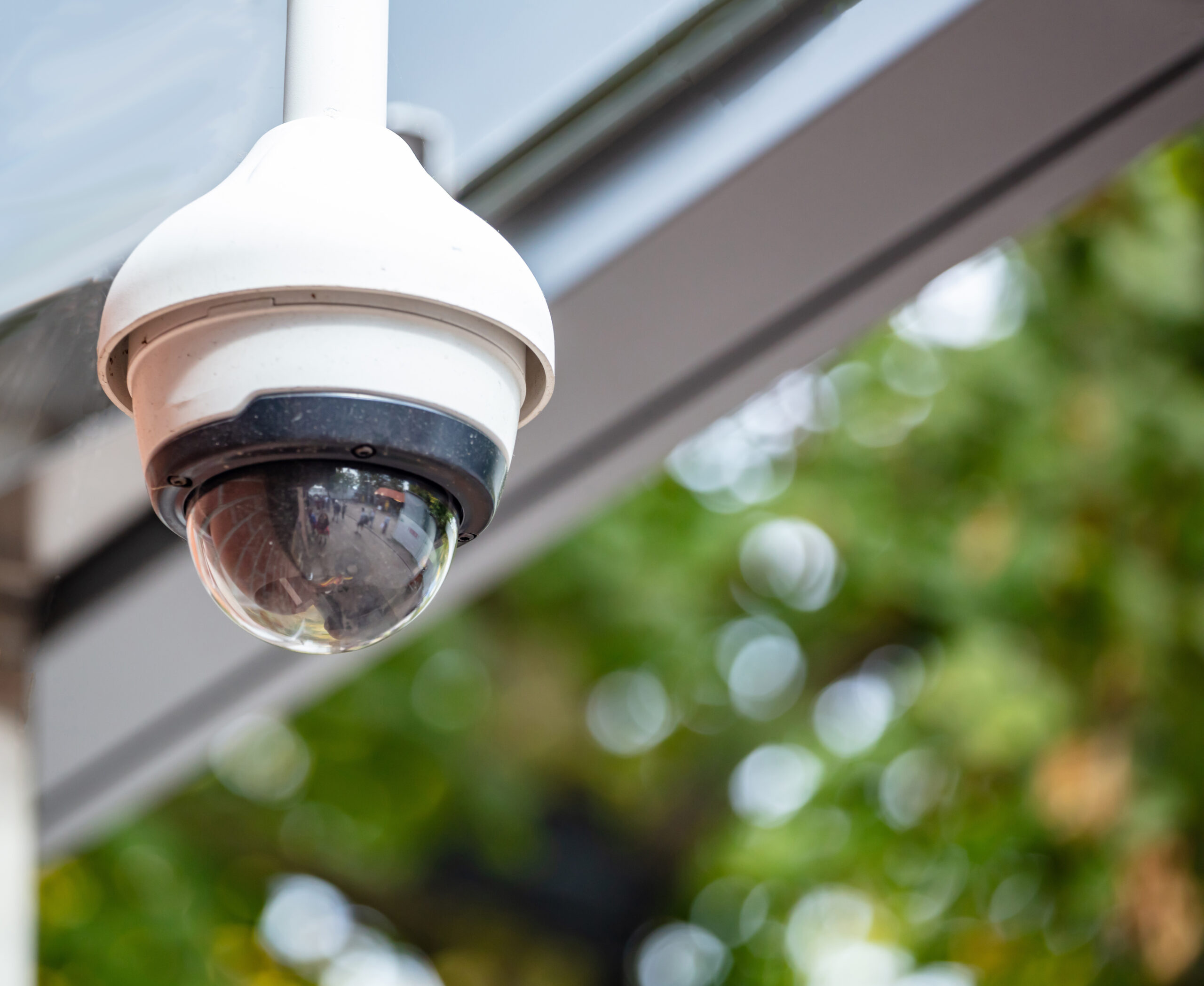
Housed in a compact, hemispherical casing, dome cameras are widely used in both residential and commercial environments. They are typically installed:
- On ceilings or soffits
- In retail spaces and offices
- At building entrances
One key advantage is that the camera’s viewing direction is difficult to determine from the outside, reducing the risk of intentional avoidance or tampering. Dome housings are also more vandal-resistant than exposed camera bodies as seen with bullet and PTZ variations.
For many properties, dome cameras offer a balance of discretion and durability, which is valued by many UK property owners.
WHAT IS A TURRET CCTV CAMERA?
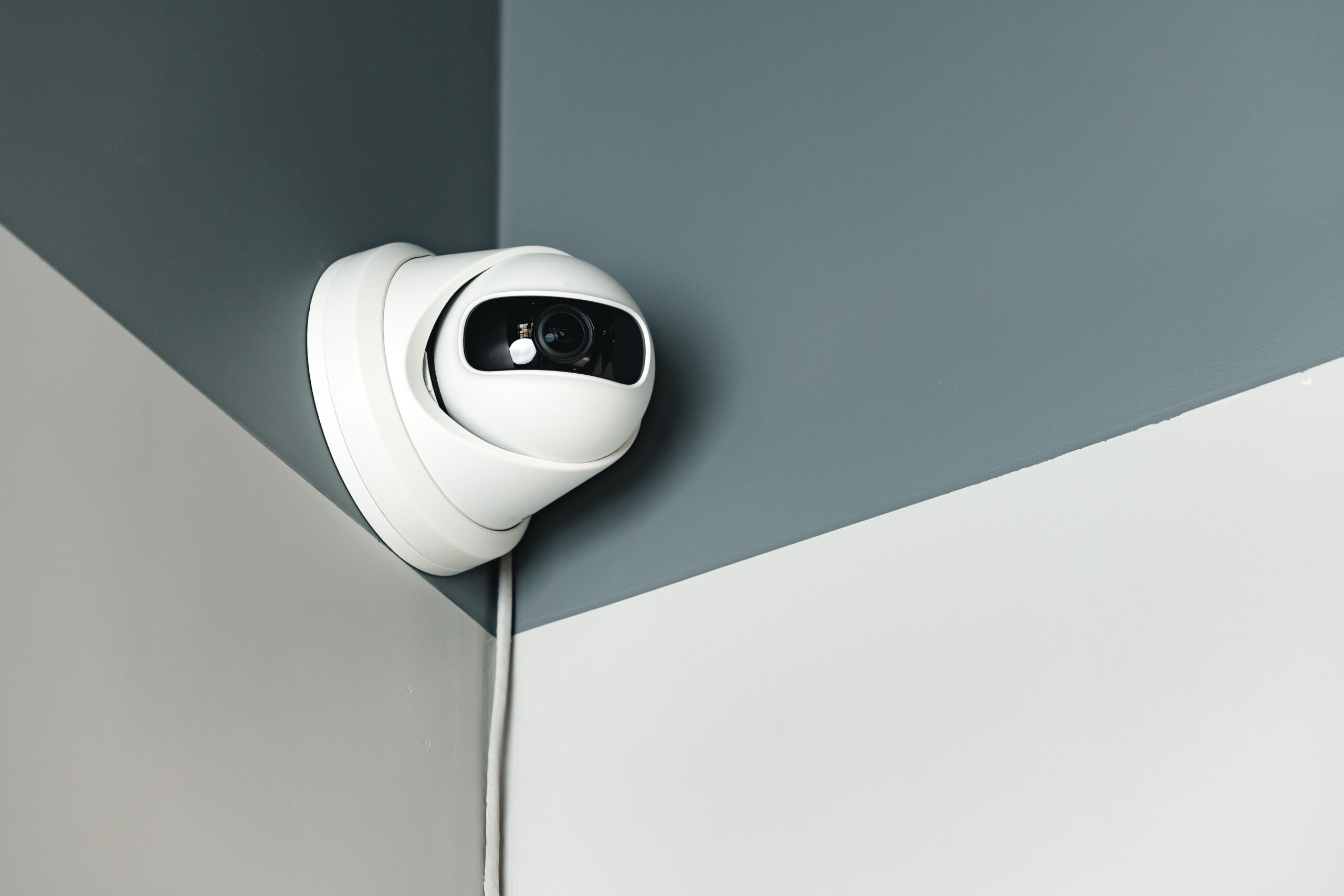
Turret cameras, sometimes called ‘eyeball cameras’, combine elements from both bullet and dome designs. They feature a ball-and-socket style head within an open housing, allowing precise adjustment without the glare issues sometimes caused by dome covers at night.
Turret cameras are particularly effective for:
- External walls
- Low-light environments
- Installations requiring clean night-time images
They have become increasingly popular in modern home CCTV installations due to the clarity of the images/videos they capture and the ease of positioning.
WHAT IS A PTZ CCTV CAMERA? (PAN, TILT, ZOOM)
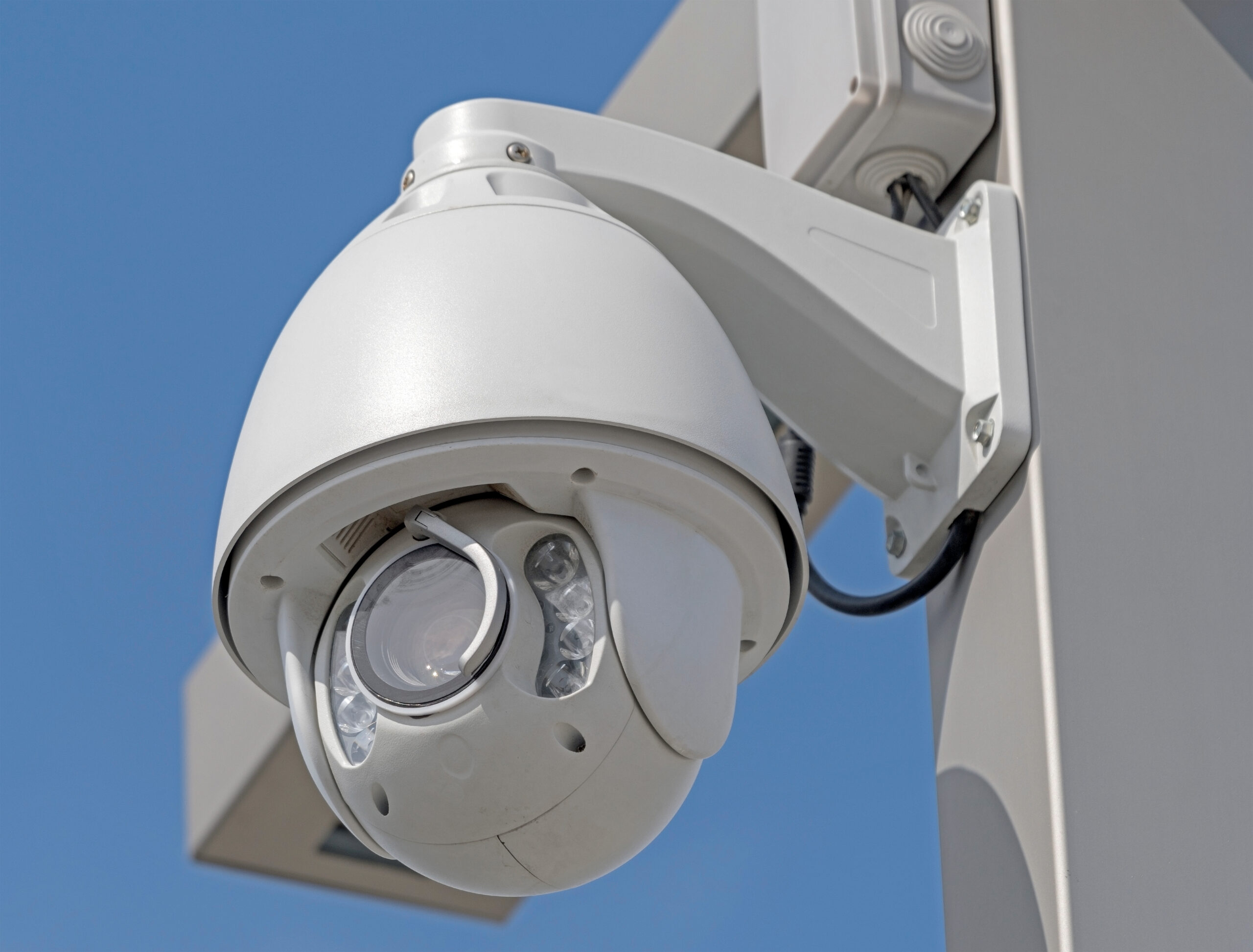
PTZ cameras are designed for active monitoring of an expansive area, rather than static coverage. As the name suggests, they are able to rotate horizontally (pan), move vertically (tilt) and zoom in optically to capture detail at distance. These cameras are commonly used for:
- Large commercial sites
- Car parks and yards
- Public spaces with live monitoring
PTZ cameras can be manually controlled or programmes to follow pre-set patrol routes. While a single PTZ camera can cover a wide area, it does not replace fixed cameras for continuous coverage, as it can only focus on one area at a time.
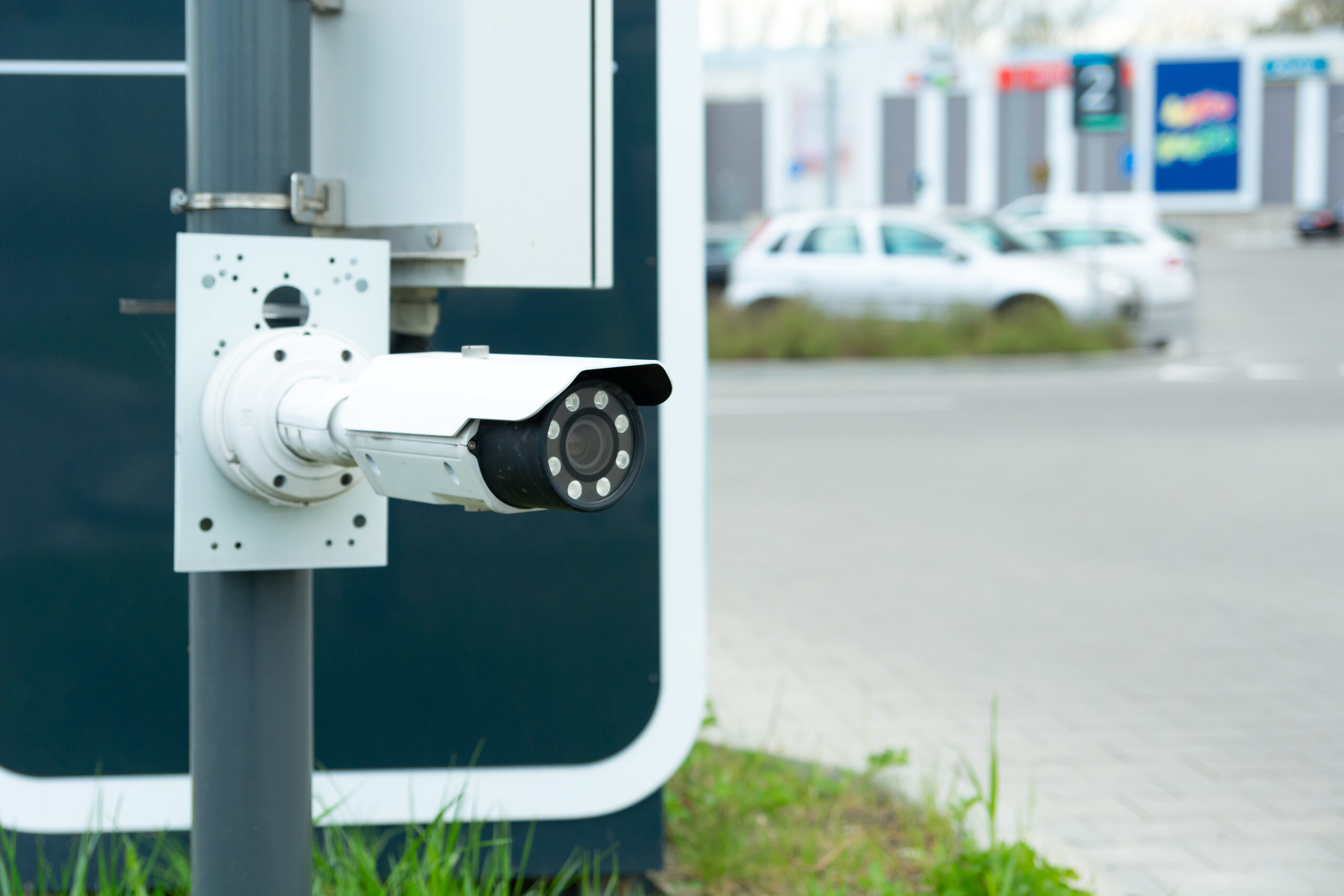
WHAT IS AN ANPR CCTV CAMERA?
ANPR cameras are purpose-built to capture vehicle number plates accurately, even at speed or in poor lighting. ANPR stands for Automatic Number Plate Recognition.
They are used where identification of vehicles is essential, making them common in locations such as:
- Car parks
- Gated sites
- Logistics and industrial parks
These cameras use specialised and infrared illumination tuned specifically for reflective number plated. They are not general-purpose cameras and are usually installed alongside standard CCTV.
WHAT IS AN INTERNAL FIXED CCTV CAMERA?
Internal cameras are designed for controlled lighting conditions and shorter viewing distances. They are commonly used in:
- Offices and reception areas
- Retail stockrooms
- Residential interiors
Internal cameras prioritise clarity, field of view (FOV), discretion and flexibility rather than weather resistance and rugged durability. Many are compact dome or turret designs adapted for indoor use.
WHAT ARE THE DIFFERENT TYPES OF CCTV SYSTEMS?
When people are looking into the different types of CCTV, they are often referring to the system rather than the camera itself.
The two main system types are:
- IP CCTV systems – Transmit data over a network and offer higher resolution and advanced features
- Analogue CCTV systems – Use coaxial cabling and are generally simpler and lower cost
Most modern installations favour IP systems due to their scalability and image quality, particularly for commercial CCTV use.
WHAT TYPE OF CCTV CAMERA IS BEST FOR HOMES?
For most homes, the best results come from a combination rather than a single camera type. In general:
- Dome or turret cameras work well for entrances and gardens
- Bullet cameras are effective for driveways or longer sightlines
- IP systems provide better image quality and mobile access
The best choice depends on a range of factors such as layout, lighting, budget (read more on how much CCTV installation costs here) and what you actually need to identify (i.e. a person’s face, vehicle or whatever else)
CONCLUSION
There is no universal answer to what type of CCTV system is best. The right system is the one that matches the risk profile and property requirements. A well-designed system will use appropriate camera types in the right locations, supported by suitable recording and storage infrastructure. Choosing cameras purely on appearance or price will often lead to gaps in your coverage or footage, that means it cannot be relied upon in the event of a break-in or theft.
For advice you can trust when it comes to professional CCTV installation, reach out to our team at Securitec Systems. We have decades of experience designing and installing CCTV systems for homes and businesses across the UK.