
CCTV cameras are an effective way to protect your home and deter crime, but it’s important to understand where you can legally point them without infringing on other people’s privacy.
In the UK, if your home CCTV system only captures footage within your property boundary, data protection laws generally won’t apply.
However, if your cameras record areas beyond your boundary such as public roads, pavements or neighbouring properties you must comply with UK General Data Protection Regulation and the Data Protection Act 2018.
In this article, we’ll explain where it’s considered safe to point your home CCTV cameras, outline the key legal rules for domestic systems and share the best practices to help you stay compliant while keeping your property secure.
WHERE CAN YOU LEGALLY POINT A HOME CCTV CAMERA IN THE UK?
When positioning a home CCTV system, you are generally free to point the camera within your own property boundary, as long as they are focused on protecting your home and private land.
The most common low-risk areas include:
- Your front door and porch
- Your driveway or parked vehicles
- Your garden and boundaries
- Any garage, shed or outbuildings
These areas are typically considered ‘low risk’ from a privacy perspective because they remain within your property boundary.
However, if the CCTV captures any area outside your property, such as public pavements, roads or neighbouring properties, you will most likely need to comply with UK data protection laws.
WHERE HOME CCTV USE NEEDS EXTRA CARE
In most cases, home CCTV systems can be positioned to protect your property without issue. However, extra care is needed if your cameras begin to capture areas outside your boundary.
This includes situations where the CCTV may:
- Capture parts of a neighbour’s home or garden
- Record areas through windows or into private spaces
- Focus more on neighbouring properties than your own land
- Monitor public areas in a way that goes beyond incidental coverage
It’s important to note that this does not mean you can’t record any surrounding at all. It’s often unavoidable for the cameras to pick up public pavements or shared access routes in residential areas.
However, the CCTV system should also be proportionate and primarily focused on protecting your own property. Where cameras do extend beyond your boundary, you may need to comply with the data protection rules.
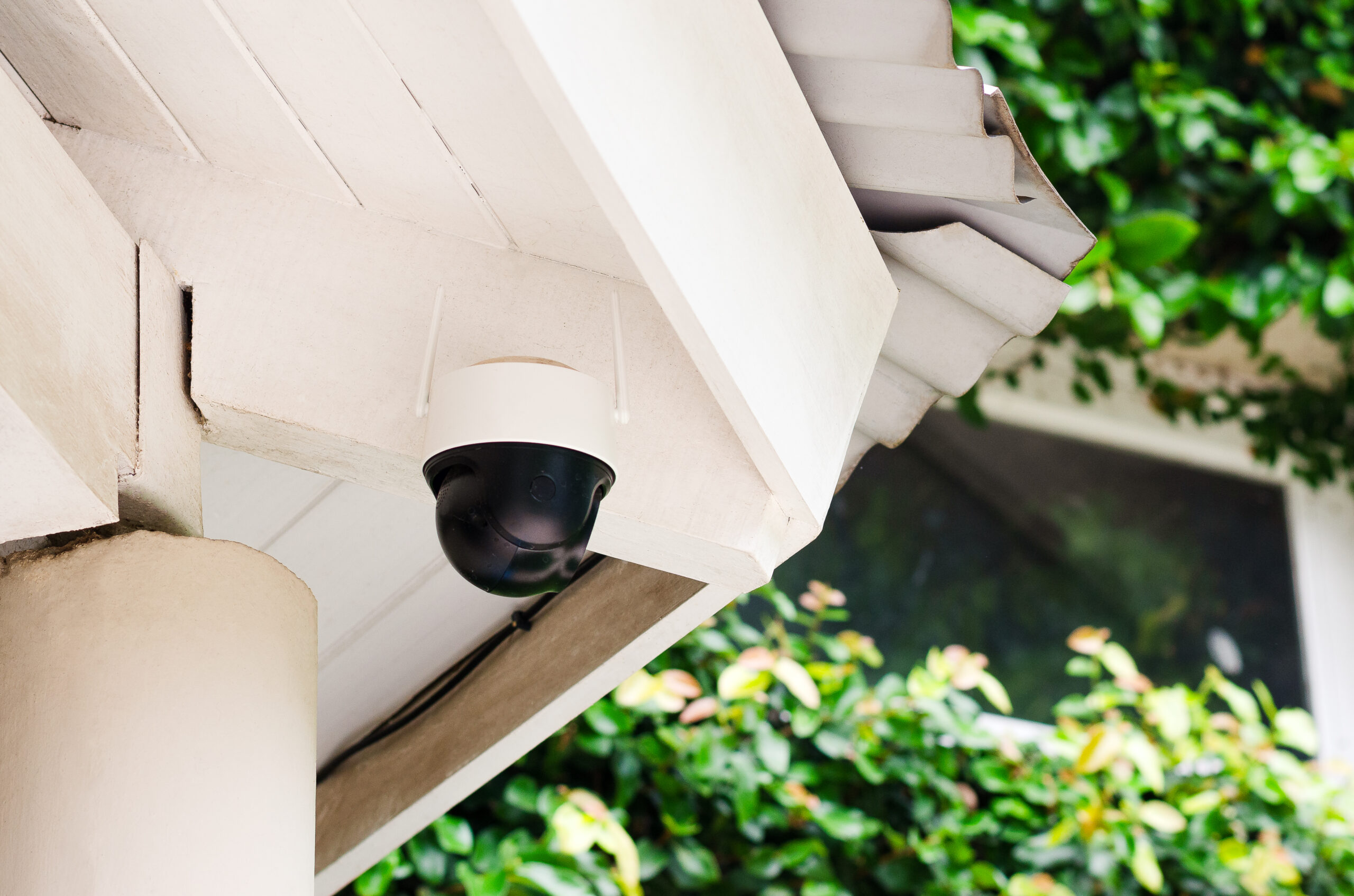
DOMESTIC CCTV LEGAL RULES & REGULATIONS
If your home CCTV does capture areas beyond your own property boundary, there are additional legal responsibilities you need to be aware of.
In the UK, these requirements are regulated and enforced by the Information Commissioner’s Office (ICO), which enforces compliance with the UK General Data Protection Regulation and the Data Protection Act 2018.
According to ICO guidance on domestic CCTV use, homeowners who record outside their property boundaries should:
1. Have a clear and legitimate reason for using CCTV
For example, preventing crime such as theft or vandalism or providing evidence to police if required.
2. Only capture what is necessary
Cameras should be positioned and adjusted so they do not record more than is needed for the intended purpose.
3. Inform people that CCTV is in use
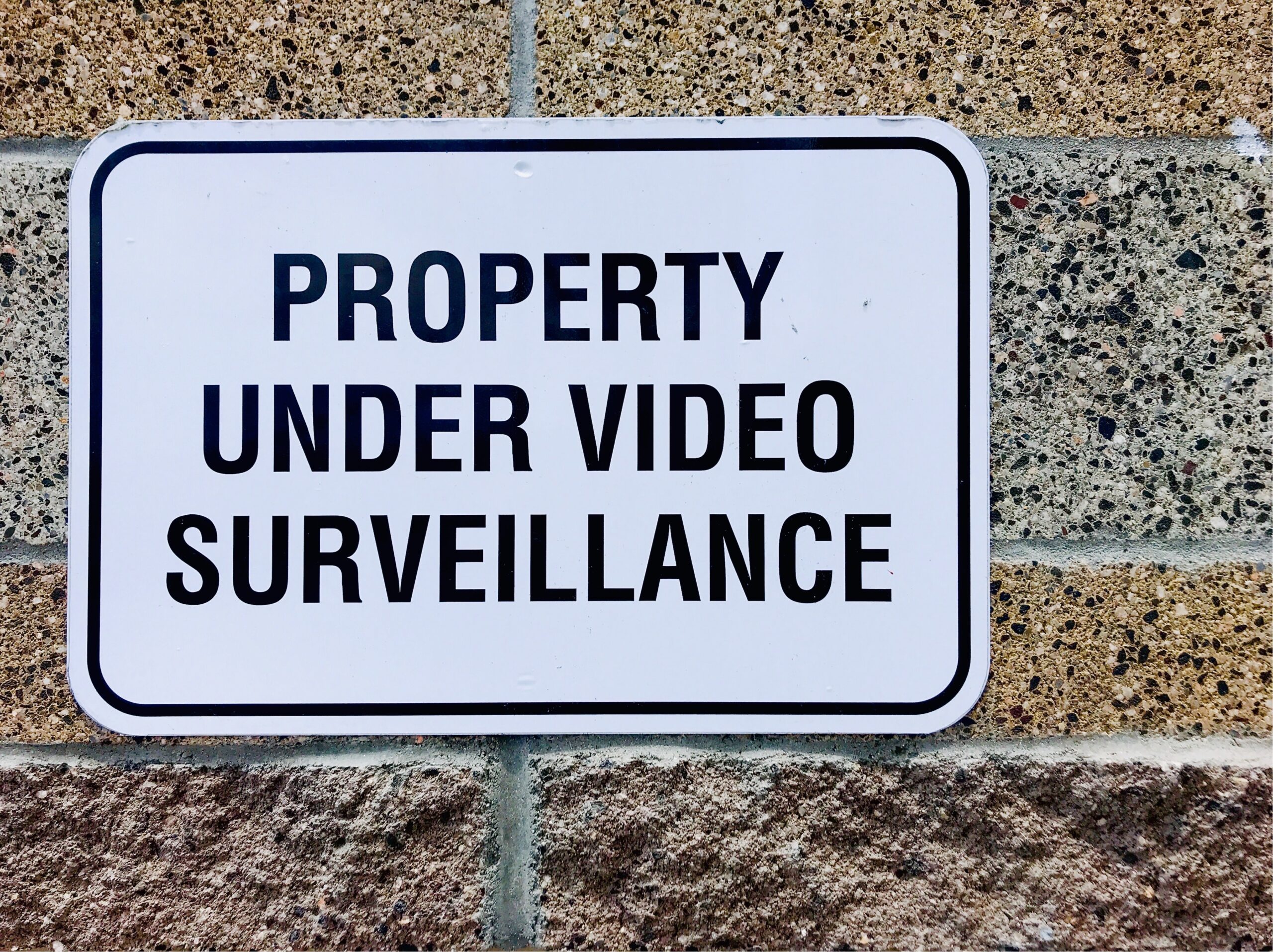
This is usually done by displaying clear and visible CCTV signage, particularly where external areas are recorded.
4. Be prepared to provide footage when requested
Individuals who have appeared in your recording may have the right to request access to the footage that includes them.
5. Store footage only for as long as necessary
Recordings should not be kept indefinitely and should be deleted regularly in line with their intended purpose.
6. Respect objections where appropriate
If someone objects to being recorded, you should review whether the recording is necessary and appropriate.
WHY DOES THIS ALL MATTER?
These rules are not designed to stop you from using CCTV, they are in place to balance your right to protect your home with other people’s right to privacy. Meeting these home CCTV requirements can be met through simple adjustments such as camera positioning, privacy masking features and clear signage, all while still maintaining effective security.
BEST PRACTICE FOR POSISTIONING HOME CCTV CAMERAS
When it comes to setting up your home CCTV system you need to target high risk areas whilst being mindful of your neighbours and surrounding privacy.
You should:
- Focus on your own property – They should primarily cover doors, driveways and garages while avoiding aiming outward for the main field of view.
- Use correct camera angles – Point the cameras slightly downward and avoid wide horizontal sweeps of the neighbourhood.
- Use privacy masking features – Many modern systems allow you to block out areas.
- Think like an intruder – Ask where someone would enter your property, focusing on weak points like gates, side access or the garden.
- Avoid unnecessary recording – Keep the CCTV coverage purposeful and proportionate.
The correct positioning not only improves security effectiveness but also helps ensure your CCTV system remains compliant with UK privacy and data protection laws.
WHAT IS THE BEST WAY TO STAY COMPLIANT?
Following these three core principles will help you stay compliant when using home CCTV:
- Necessity – Is the recording required?
- Proportionality – Is it limited to what is needed?
- Transparency – Are people informed?
These principles underpin UK data protection law.
GETTING THE MOST FROM YOUR HOME CCTV SYSTEM
Home CCTV systems are an effective way to protect your property, but it’s also important to use them responsibly and position them correctly.
In most cases, you are free to install cameras within your own property boundary. However, if your system captures areas beyond your home, you’ll need to follow the UK data protection laws.
By understanding where you can point your CCTV and following simple best practices, you can maintain strong security while respecting the privacy of others.
Need help installing your home CCTV system?
Choosing the right CCTV setup isn’t just about the cameras, it’s about correct positioning, effective coverage and ensuring your system is installed with privacy and compliance in mind.
At Securitec Systems, we provide both professional commercial and domestic CCTV systems tailored to your individual property and security needs.
Get in touch today to find the right CCTV solution for your home!
Frequently Asked Questions
What should I do if someone complains about my CCTV?
If a neighbour or member of the public complains, it’s best to review your camera positioning and ensure its appropriate and necessary. This means issues can often be resolved without escalation.
Can my CCTV point at a neighbour’s property?
CCTV can sometimes capture part of neighbouring properties, but it should not be deliberately positioned to monitor a neighbour’s home or private spaces.